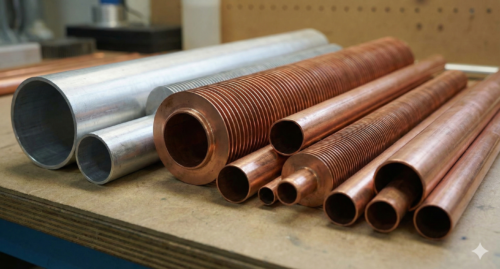
Heat pipes move heat away from sensitive components in aviation, telecom, LED lighting, commercial electronics, and energy systems. Buyers in these markets face rising heat loads and tighter packaging in 2026. Material choice sits near the top of the design checklist. A mismatch can lead to failures, delays, and added cost. The right choice supports stable, efficient performance and smoother production.
This guide explains what to expect in 2026 and how to match aluminum or copper to your application.
Electronics are running hotter. Faster avionics lift thermal output. Telecom gear pushes more power through smaller footprints. LED fixtures trend toward higher lumen packages that need stronger heat removal.
Weight targets shape decisions in aviation, LED lighting, and portable systems. Many teams want to cut mass without giving up performance. Material selection directly affects those goals.
Choosing the wrong material can trigger early field issues or late test failures. Some designs overheat when aluminum cannot move heat fast enough. Others add cost when copper is used without a clear performance need. Early alignment avoids both problems.
Copper has higher thermal conductivity than aluminum. It is the stronger pick for high power density where rapid heat transport is critical. Aluminum performs well in moderate load systems but cannot match copper under heavy, concentrated loads.
Copper heat pipes typically reach steady performance quickly. Aluminum versions can start more slowly under certain conditions. Confirm how fast your system must respond during power-on and load steps.
Copper handles high and continuous loads with better stability. Aluminum is a solid choice when loads are moderate or when weight reduction is the priority.
Any design that moves large amounts of heat through compact paths benefits from copper. Telecom, energy hardware, and high power electronics are common fits.
Aluminum heat pipes are lighter. Weight limits in aircraft hardware, lighting arms, and handheld or wearable devices often favor aluminum when the heat load allows it.
Aluminum provides good stiffness relative to weight. Copper is stronger at a higher mass. Avionics and other high-vibration environments may require copper for stability. Match material to expected mechanical loads and vibration profiles.
If thermal loads are moderate and every gram counts, aluminum is a smart choice. Many LED fixtures use aluminum heat pipes to limit fixture weight and keep installation simple.
Copper remains more expensive than aluminum, and the gap has widened in recent years. If budgets are tight, aluminum offers relief when thermal demands permit it.
Copper needs more force and pricier tooling to form. It also costs more to machine. Aluminum is easier to shape and machine, which can lower total build cost.
Aluminum heat pipes often ship faster. Copper can take longer because of material supply, tooling, and extra process steps.
Copper may cost more upfront but can reduce risk in high heat systems. Aluminum can cut near-term spend, but only when loads fit within its limits. Consider both immediate and long-term costs, including test cycles and field reliability.
Copper resists corrosion well in many environments. Aluminum performs well too, but may need coatings in harsh or coastal conditions. Confirm environmental exposure before deciding.
Copper is easier to solder and works with a wider range of thermal interface materials. Aluminum can require special bonding methods. Plan for galvanic compatibility between the heat pipe, mounting features, and mating surfaces.
Copper tolerates thermal cycling and vibration with strong stability. Aluminum performs reliably when loads are moderate. Avionics and telecom projects should budget for vibration testing during selection.
Heat pipes can fail due to leaks, cracks, or material fatigue. Copper lowers crack risk under repeated stress. Aluminum lowers risk in designs with lower mounting stress and careful weight control.
Some assemblies combine an aluminum body with copper where heat is most concentrated. This balances cost, weight, and performance.
Hybrids cut mass while improving heat pickup and spreading at hot spots.
Use copper only where it matters. Keep the rest aluminum to save material and machining cost while meeting performance targets.
Bench or CFD results help the manufacturer tune wick structure, diameter, and material. Early data speeds alignment and reduces redesigns.
Note vibration levels, humidity, altitude, and mounting methods. These details guide the best material and mechanical design.
A USA-based supplier like Getec can walk you through material tradeoffs, design limits, and production timelines. Local support shortens feedback loops and keeps programs on schedule.
Both aluminum and copper heat pipes have important roles. Align material with heat load, weight targets, environmental risk, and budget. Decide early, share test data, and work with a responsive supplier. You will cut risk and move into production with confidence.
Ready to compare options for your design? Get a heat pipe quote from Getec today.