A decade ago, cooling a data center was largely a matter of moving enough air through server racks.
Today, that approach is no longer sufficient.
Modern cloud computing, artificial intelligence, machine learning, and high-performance computing workloads are driving unprecedented heat generation. Server racks that once consumed modest amounts of power now routinely operate at dramatically higher power densities, placing enormous pressure on thermal management systems. Industry experts note that rack power densities exceeding 30 kW are becoming common, with AI deployments pushing even higher.
That challenge sets the stage for this blog. We’ll explore the growing importance of thermal management, the role fabricated heat sinks play in modern facilities, and when they make sense as part of a broader cooling strategy.
Why Data Center Thermal Management Matters More Than Ever
Every watt consumed by IT equipment ultimately becomes heat.
Servers, GPUs, CPUs, memory modules, networking equipment, and power supplies continuously generate thermal energy that must be removed to maintain safe operating temperatures.
Without proper cooling, organizations risk:
As computing requirements continue to expand, thermal management has become a strategic business concern rather than simply a facilities issue.
The Evolution of Data Center Cooling
Historically, most facilities relied on:
These methods remain important, but growing rack densities are challenging their limits.
Modern thermal strategies increasingly combine:
The goal is to remove heat closer to its source before it impacts surrounding equipment.
What Are Fabricated Heat Sinks?
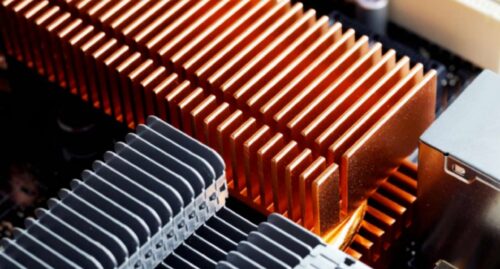
Fabricated heat sinks are custom-engineered thermal components designed to transfer heat away from electronic equipment.
Unlike standard off-the-shelf solutions, fabricated heat sinks can be optimized for:
They are typically manufactured using:
These methods allow significantly greater design flexibility than conventional extruded heat sinks.
Why Data Centers Use Heat Sinks
Heat sinks remain one of the most effective passive thermal management technologies available.
Their primary functions include:
Within servers and networking equipment, heat sinks often serve as the first line of defense against overheating.
Industry experts continue to identify heat sinks as critical components within server thermal architectures because they directly dissipate heat generated by processors and other high-power devices.
When Fabricated Heat Sinks Make Sense
High-Density Computing Environments
AI workloads are transforming data center thermal requirements.
Advanced GPUs and accelerators generate significantly more heat than traditional processors.
Fabricated heat sinks allow engineers to:
These advantages become increasingly important as rack densities continue rising.
Space-Constrained Equipment
Data center operators constantly seek greater computing capacity within existing footprints.
Custom-fabricated heat sinks can be designed to fit challenging form factors while maximizing cooling effectiveness.
This enables higher equipment density without compromising thermal performance.
Specialized Hardware Platforms
Not every server uses standard cooling requirements.
Applications such as:
often benefit from purpose-built thermal solutions.
Fabricated heat sinks provide the flexibility needed for these specialized environments.
Extreme Reliability Requirements
Mission-critical facilities cannot tolerate unexpected downtime.
Effective thermal management helps:
Custom heat sinks can be optimized for reliability-focused applications where performance consistency is essential.
Fabricated Heat Sinks vs. Standard Extrusions
Standard Extruded Heat Sinks
Advantages include:
Limitations include:
Fabricated Heat Sinks
Advantages include:
Limitations include:
For many high-density environments, the performance benefits justify the additional investment.
The Growing Role of Cold Plates
There is a point where even advanced air-cooled heat sinks encounter practical limitations.
As thermal loads continue increasing, many facilities are adopting liquid cooling technologies.
Cold plates remove heat directly from CPUs and GPUs using circulating liquid coolant. Industry research shows cold plates can significantly improve thermal efficiency while reducing cooling energy consumption.
Rather than replacing fabricated heat sinks entirely, cold plates often complement broader thermal management strategies.
How Fabricated Heat Sinks Support Hybrid Cooling Systems
Many modern deployments use hybrid cooling approaches.
These systems may combine:
Each technology addresses different portions of the thermal pathway.
Heat sinks continue serving critical roles in spreading and dissipating heat before it reaches secondary cooling systems.
Key Design Factors for Data Center Heat Sinks
Airflow Optimization
Airflow remains one of the most important factors affecting thermal performance.
Designers evaluate:
The goal is to maximize heat transfer without excessive energy consumption.
Material Selection
Most fabricated heat sinks use aluminum due to:
Copper may be selected for applications requiring maximum thermal performance.
Fin Geometry
Fin design directly influences:
Custom fabrication allows engineers to tailor fin structures to specific operating conditions.
Mechanical Integration
Data center hardware requires thermal solutions that integrate seamlessly with equipment layouts.
Custom-fabricated designs can address:
Emerging Trends Driving Heat Sink Innovation
AI Infrastructure Growth
Artificial intelligence workloads are rapidly increasing heat densities within data centers.
This trend is accelerating the adoption of advanced thermal management technologies.
Direct-to-Chip Cooling
Many facilities now cool processors directly rather than relying solely on room-level cooling.
This shift places greater emphasis on integrated thermal designs.
Energy Efficiency Initiatives
Cooling represents a major operational expense.
Organizations increasingly seek solutions that:
Optimized thermal management supports all three goals.
Higher Equipment Density
Future facilities will continue packing more computing power into smaller spaces.
This trend will drive demand for increasingly sophisticated fabricated thermal solutions.
Why Work with a Custom Thermal Solutions Partner?
Thermal management challenges vary significantly between facilities and equipment platforms.
A custom fabrication partner can help organizations:
The result is a thermal strategy aligned with long-term operational objectives.
Final Thoughts
Data center cooling is becoming increasingly complex as AI, cloud computing, and high-performance workloads drive higher heat densities.
While liquid cooling and cold plate technologies continue gaining attention, fabricated heat sinks remain a critical part of modern thermal management strategies. Their flexibility, performance potential, and integration capabilities make them especially valuable in high-density and specialized computing environments.
For organizations seeking efficient thermal solutions, fabricated heat sinks can provide an effective bridge between traditional air cooling and advanced liquid cooling architectures.
Whether you’re supporting traditional enterprise infrastructure or next-generation AI computing environments, Getec can help develop custom thermal solutions designed to meet your performance and reliability goals. Connect with our team to get a conversation started!
FAQs About Heat Sinks for Data Centers
What are heat sinks for data centers?
Heat sinks for data centers are thermal management devices that absorb and dissipate heat generated by servers, processors, networking equipment, and power electronics.
When should fabricated heat sinks be used?
Fabricated heat sinks are ideal when applications require higher thermal performance, custom geometries, specialized airflow management, or unique integration requirements.
Are fabricated heat sinks better than extruded heat sinks?
Not always. Extruded heat sinks work well for many applications. Fabricated heat sinks offer advantages when performance and customization requirements exceed standard capabilities.
How do heat sinks work with cold plates?
Heat sinks and cold plates often work together in hybrid cooling systems. Heat sinks spread and dissipate heat while cold plates remove heat through liquid cooling.
Are heat sinks still important in liquid-cooled data centers?
Yes. Even liquid-cooled environments often rely on heat sinks and related thermal components as part of the overall thermal management architecture.